Compare Quotes From Merchant Account Providers, Today.

Do you currently accept card payments?

Card Machines for UK Businesses: Compare the Best Options

On This Page

On This Page

Find a card machine for your business today

Get a quote in seconds with our simple form

Card Machines for UK Businesses: Compare the Best Options

Last updated 22/01/2026

What Is a Card Machine?

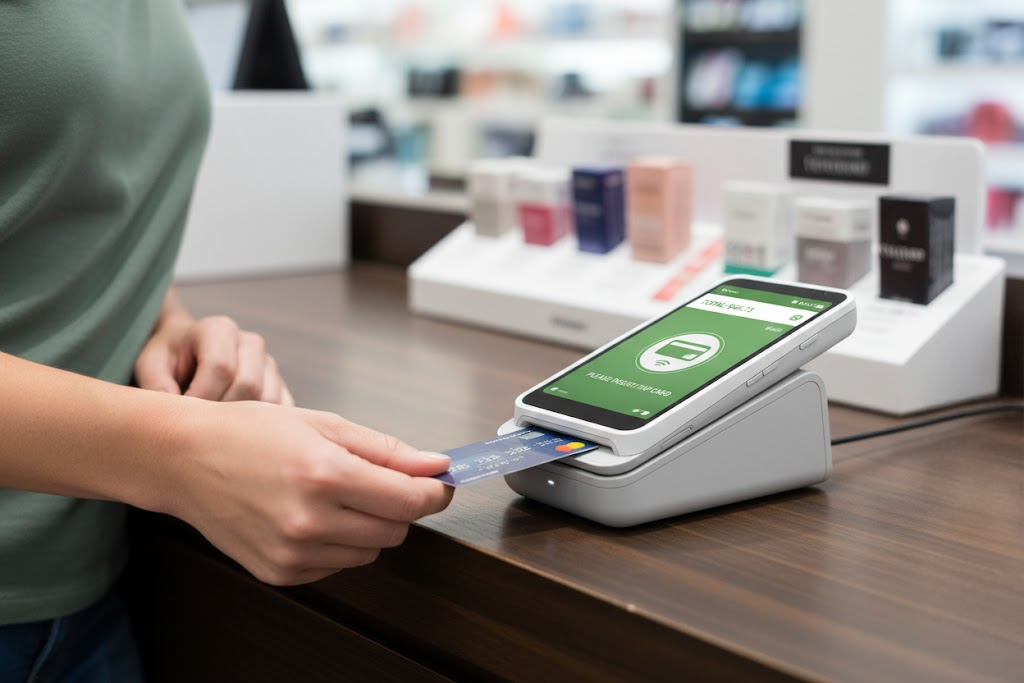
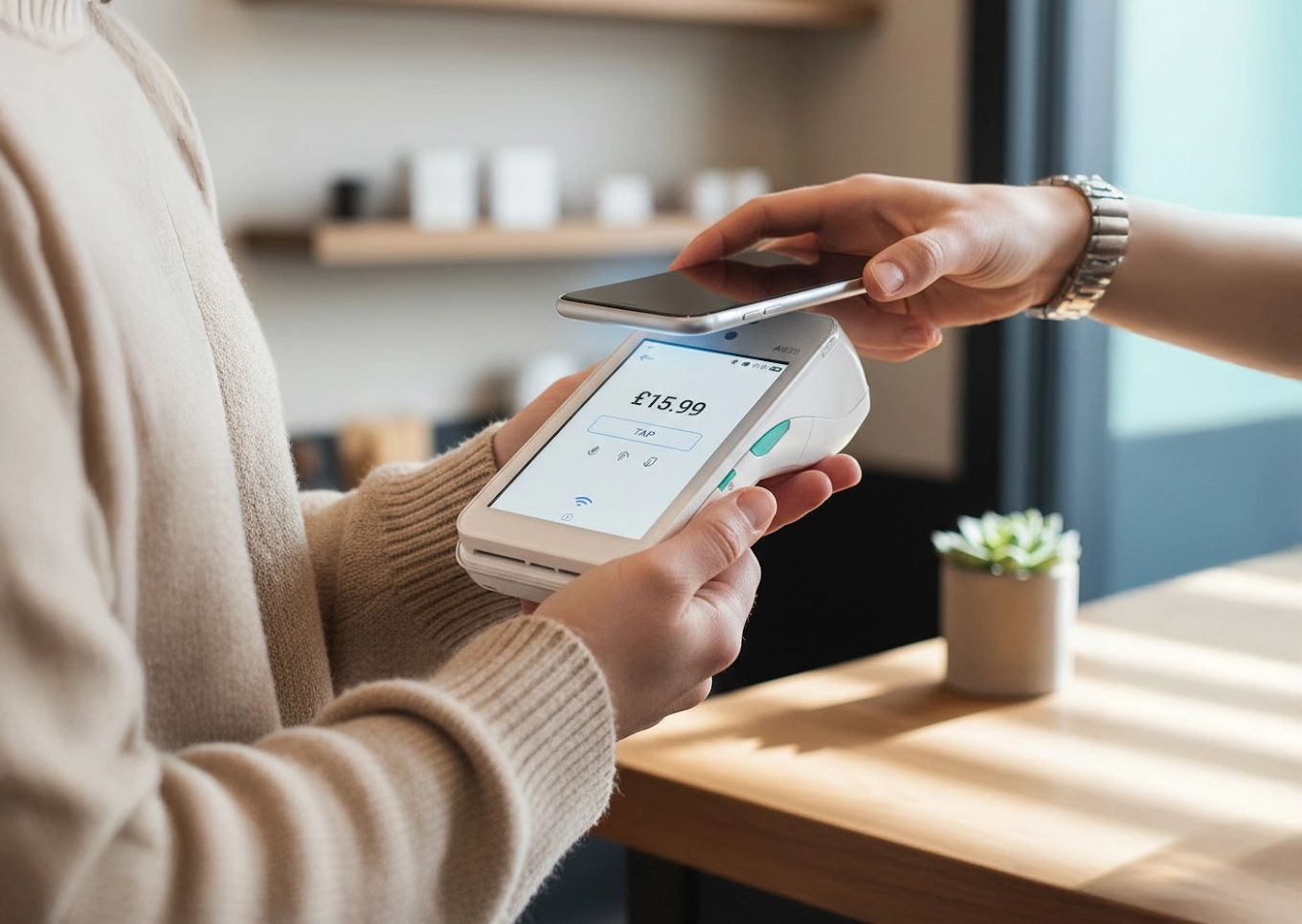
A card machine is a device that allows businesses to accept digital payments from debit and credit cards, as well as contactless and mobile wallet transactions. They securely read customers’ cards, send the payment details to the provider for authorisation, and once the payment is approved, the funds are then settled to the business account. Typically, funds are settled within one to three business days.

Choosing the right machine directly impacts your business expenses, cash flow, and reliability, as each provider offers varying transaction fees, contract terms, and settlement speeds, which influence how much you pay and how quickly you can access your money.

Types of Card Machines for UK Businesses

Portable Card Machines

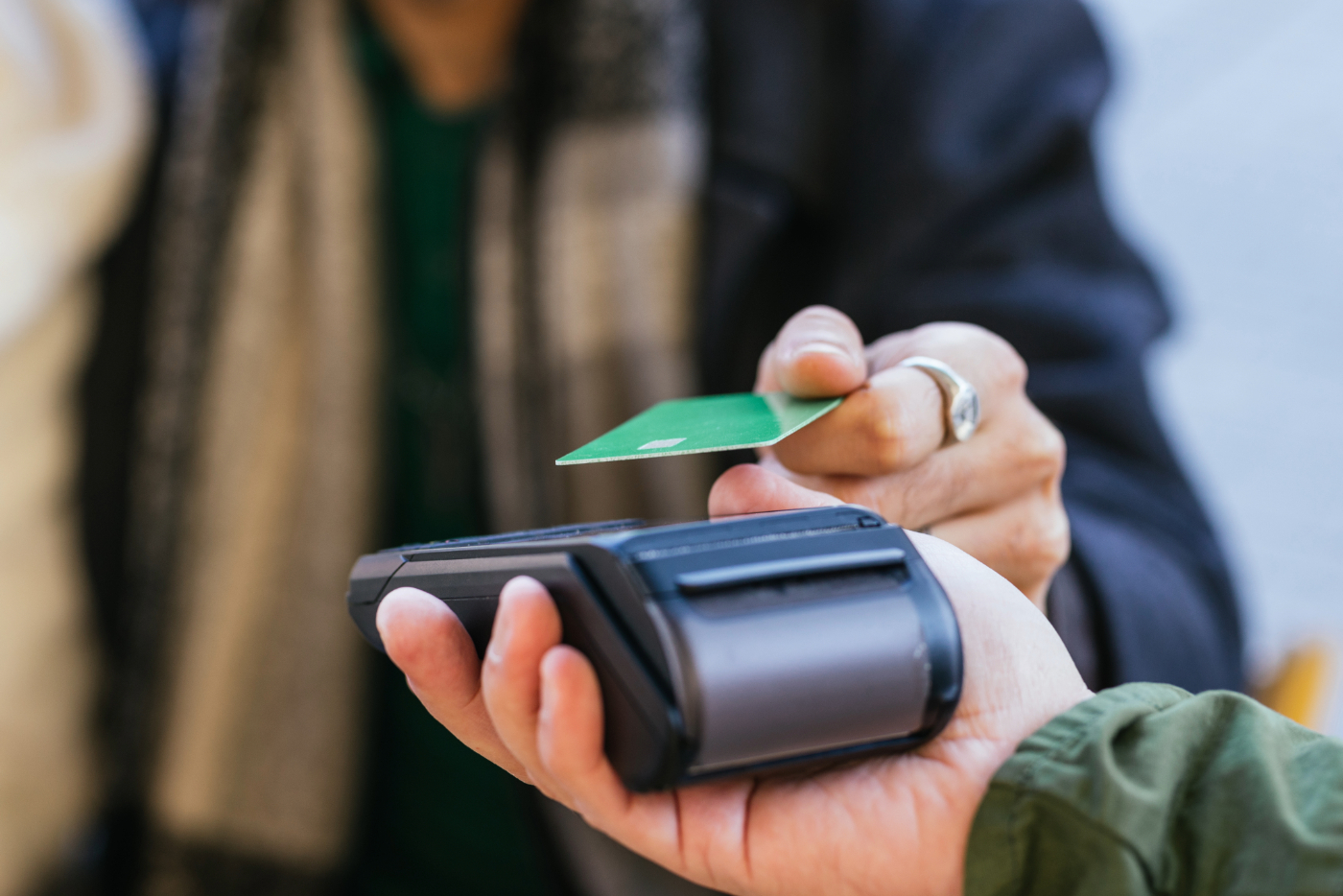
Wireless, battery-powered terminals that connect via Wi-Fi or Bluetooth, allowing payments anywhere within your premises.

Mobile Card Readers (mPOS)

Small readers that pair with a smartphone or tablet and use mobile internet to process payments.

Smart Terminals

All-in-one touchscreen devices with built-in internet and app integration for POS, inventory, and reporting.

Integrated POS Systems

Complete point-of-sale setups combining payment processing with inventory, reporting, and hardware like tills and screens.

Virtual Terminals

Browser-based systems that allow manual card entry for remote or phone payments.

Tap to Pay on Smartphones

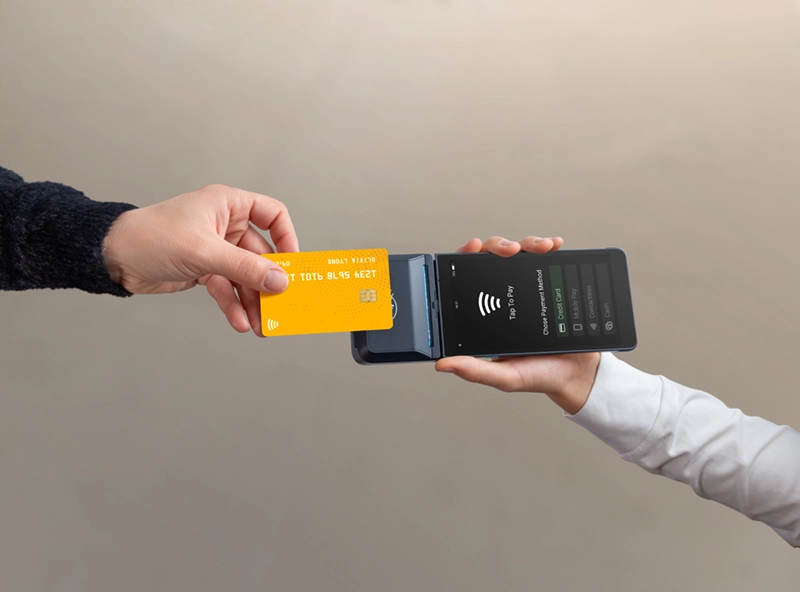
Turns a compatible smartphone into a contactless payment terminal using NFC, with no extra hardware required.

What industry are you in?

Please select the industry that you trade within. This information allows us to tailor your quote.

Business Card Machine Costs Explained

Type of FeeWhat Does This Mean?Typical Fee
Blended FeesA single flat rate that combines interchange, network, and processor costs into one simple charge per transaction.~1.5%–3.4% per transaction
Upfront Hardware CostOne-off cost to buy a card machine outright instead of renting it.£50–£300+ (one-off)
Transaction FeesCharged on every card payment, usually as a percentage but sometimes a fixed amount.~1.5%–3.4% per transaction
Interchange FeesFees set by card networks and paid to the card issuer for processing the transaction.Up to 0.3% per transaction
Authorisation FeesSmall charge each time a payment is verified and approved.~2p per transaction
Assessment / Network FeesFees charged by card networks to maintain payment infrastructure. Often bundled into pricing.Usually included
Payment Gateway FeesFees for securely processing online or virtual payments through a gateway.£20+ per month
Terminal Rental FeesA monthly cost for leasing a card machine rather than buying it outright.£15–£35 per month
Merchant Account FeesFees for setting up and maintaining an account to process card payments.£0–£15+ per month
Monthly Minimum FeesMinimum monthly charge applied if transaction fees fall below a set threshold.£20–£40 per month
PCI Compliance FeesFees related to meeting card industry security standards.~£3 per month or £0–£250 per year
PCI Non-Compliance FeesPenalties are charged if PCI compliance requirements are not met.~£9.99 per month
Payout / Settlement FeesCharges are applied when funds are paid into the business bank account.£0–£1.50 per payout
Reporting & Statement FeesFees for paper statements, advanced reports, or exporting transaction data.£0–£5+ per month
Terminal Servicing / Replacement FeesCosts for repairs, urgent replacements, or out-of-warranty servicing.£0–£150 per instance
Early Termination FeesCharges apply if a merchant exits a contract before the agreed term ends.£0–£1,200

Card Machine Comparison UK: What to Look For

Transaction Fees & Fee Structures:

How are you being charged? Is it blended or flat rate pricing? Some providers will bundle interchange, authorisation, and gateway costs differently, so make sure you know how these fees are structured and what you are expected to pay.

Equipment Costs & Lease vs Purchase:

Assess whether you want to purchase or rent the card machine. Both options have their own unique pros and cons that will be better suited to your needs.

Contract Terms & Hidden Costs:

How long is your contract, and will you be expected to pay any early termination fees if you want to leave before it’s up? Look for other hidden fees, including support fees, software updates, paper rolls, security, or compliance charges.

Integration With Current Systems:

If you already use other systems, EPOS, inventory, accounting, etc., then find a device that can seamlessly integrate with these. This creates a synchronised ecosystem, streamlined workflows, and reduces administrative burdens.

Security & Compliance Capabilities:

Keeping your customers’ payment data safe is essential. Factor in security features and how the solution supports PCI DSS compliance with built-in security to keep your customers’ data (and your reputation) safe.

Connectivity Options:

Evaluate where and how the machine connects and whether this meets your business model. If you’re a physical location, then a fixed machine with an Ethernet connection is fine. If you’re on the go, then you’ll need to find one that offers mobile connectivity.

Provider Reputation & Support:

Look for Google Reviews, Trustpilot scores, and even Reddit threads to see what real-world customers are saying about the service they’re receiving.

Accepted Payment Methods:

Ensure the solution accepts all relevant payment types your customers use (contactless, chip & PIN, mobile wallets), as limited acceptance can reduce sales and indirectly increase cost per transaction.

Settlement Speed:

Find a provider that pays you fast. Quicker settlements improve cash flow, which is particularly useful for smaller businesses managing tighter budgets.

Ease of Setup & Use:

Choose a terminal that is quick to set up and simple to use so you can get the most out of the device, reduce errors, and save time.

Which Card Machine Is Right for Your Business?

Business TypeBest-Fit Card Machine TypeWhy This Machine?
Retail (shops, stores)Countertop terminals or smart terminals- Fixed checkout locations
- Reliable machines that process high transaction volumes quickly
- Integrate with POS or inventory systems
Hospitality (restaurants, pubs, cafés)Portable card machines or smart terminals- Table service ready
- Split payment features
- Fast checkout
Trades & Mobile ServicesMobile card readers (phone-paired)- Mobile payments
- Lightweight devices
- Use an already established internet connection
- Relatively affordable
Startups & Sole TradersMobile card readers or smartphone-based terminals- Low upfront costs
- Simple setup
- Favourable contact terms suit lower volume or seasonal fluctuations
Market Stalls & Pop-UpsMobile card readers or portable terminals- Extremely portable
- Work reliably without a fixed broadband connection
Food TrucksSmart terminals or portable card machines- Standalone devices with built-in connectivity
- Receipt handling
- Supports fast service in mobile environments
Remote / Phone-Based BusinessesVirtual terminals- Payments are taken without the need for face-to-face interaction
eCommerce BusinessesSmart terminals- Support online payments
- Integrate with payment platforms
- Manage multi-channel sales through a single system

Common Card Machine Mistakes to Avoid

Understand the Total Costs, Not Headline Rates:

Don’t focus just on the advertised transaction rate. Always make sure you’re aware of these to avoid any nasty surprises when it comes to paying your bill.

Ignoring Settlement Cut-Off Times:

Settlement cut-offs are a designated time when transactions are processed for payout. Accepting payments after this time can cause cash flow problems, and although some providers may offer earlier settlements, this could come at an extra cost.

Over-Committing to Long Contracts:

Long contracts allow you to focus on other areas of your business, but stop you from finding a deal and more advanced hardware elsewhere. Unfavourable rates can also eat into your profits and require you to pay an early termination fee to exit before the contract is up.

Underestimating Connectivity Requirements:

Poor connectivity means your card machine won’t be able to correctly process transactions, leading to missed sales. If you operate in rural areas, basements, or outdoor areas with limited connectivity, strong coverage is essential.

Choosing the Wrong Machine for the Business Model:

If you run a food truck, you need to find a device that has 4G/5G or offline capabilities. Understand the environment you operate in, then find a machine that matches these needs.

Overlooking Support and Reliability:

Poor customer support can quickly turn a minor issue into an entire day of missed sales. Understand what level of support you’ll receive when things don’t go as planned, including hours, replacement policies, response times, and any compensation you’re owed if they don’t meet these.

Should I Buy or Rent a Card Machine

Renting a Card Machine: Pros and Cons

ProsCons
If you buy a card machine, the one-time fee covers the device, allowing you to avoid rental feesAt some point, the fees and rental costs will become more expensive than buying outright
Long-term savings when compared to rental feesLong contracts (often 12–36 months) limit flexibility and will often require a fee to cancel before the contract is up
Full ownership allows you to switch payment processors whenever you likeTied merchant accounts can prevent switching to cheaper processors
No long-term contracts or early exit penaltiesSome providers will not allow you to use your own terminal

Compare Quotes From Merchant Account Providers, Today.

Do you currently accept card payments?

How We Compare Card Machines at Commercial Experts

We pride ourselves on delivering objective comparisons that cut out the fluff and personal bias. We use a neutral, criteria-led methodology focused on real-world business needs so you get the information you need to make the right decision for your business.

We assess practical factors like costs, suitability to business types, and highlight the nuances of using a business card machine day to day, allowing for fair comparisons and transparent recommendations.

Compare Card Machines for Your Business Today!

Instead of Googling “card machine near me,” why not compare the best card machines for your business today? All you have to do is tap the CTA BUTTON below and answer a few questions about your business. Then, based on your responses, you will receive a range of quotes tailored to your specific needs.

All quotes are 100% free and non-committal, so just tap the button below and compare card machines now!

FAQs

What is the best card machine in the UK?

The best card machine in the UK depends on your business needs, but popular options include SumUp, Zettle, and Square.

SumUp is best for mobile sellers, market stalls, sole traders, and very small businesses.

Zettle is best for small retailers and businesses that use PayPal.

Square is best for retail and hospitality businesses.

Buying a card machine offers long-term savings and no ongoing fees, but higher upfront costs. Renting has lower initial costs, includes support, and can be upgraded easily. It’s better for short-term use or startups, while buying suits a more established business that is ready for a one-time investment.
Costs for small businesses include machine purchase or rental, transaction fees (typically 1.5%–2.5%), and possible monthly fees. Providers like SumUp and Zettle offer no monthly charges and flat transaction rates, making them budget-friendly for smaller operations with lower sales volumes.
Some providers offer contract-free card machines, while others require monthly agreements. Contracts often include hardware, support, and service fees. Carefully review terms, especially early exit fees and renewal clauses, to avoid unexpected costs and ensure the contract fits your business needs.

What's Trending?

Find out how you could save your business money

LoPay Card Machine: Fees, Card Readers, and How It Works

By Stephen Thompson -

22 Jan 2026

Author

By clicking "Accept" you agree to the use of cookies.
Accept Reject

Privacy Preference Center

When you visit any website, it may store or retrieve information on your browser, mostly in the form of cookies. This information might be about you, your preferences or your device and is mostly used to make the site work as you expect it to. The information does not usually directly identify you, but it can give you a more personalized web experience. Because we respect your right to privacy, you can choose not to allow some types of cookies. Click on the different category headings to find out more and change our default settings. However, blocking some types of cookies may impact your experience of the site and the services we are able to offer. More Information.

Manage Consent Preferences

Updating Preferences

Please wait whilst we update your preferences...

Products & Services

  • Lorem Ispum
  • Lorem Ispum
  • Lorem Ispum
  • Lorem Ispum
  • Lorem Ispum

Our Partners

  • Barclays Bank PLC
  • CommercialExperts.com
  • Fiserv (Europe) Limited
  • Guavapay Limited
  • Intelligent Interaction Services UK LTD
  • ResQ Limited
  • SumUp Payments Limited
  • Take Payments Limited
  • Teya Services Limited
  • The Redwood Group and Associates Limited
  • Tide Platform Limited
  • WorldPay (UK) Limited