Dojo Card Machine: Independent UK Guide for Businesses
What Is a Dojo Card Machine? A Dojo card machine is a payment terminal supplied as

Get a quote in seconds with our simple form
Last updated 22/01/2026
When the LoPay card machine receives a payment, the device then follows a process to allow the funds to be securely transferred.
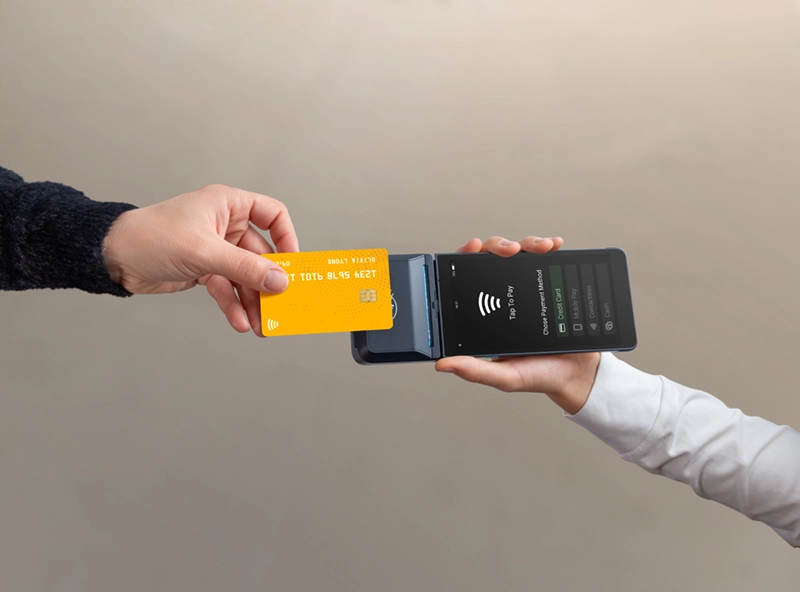
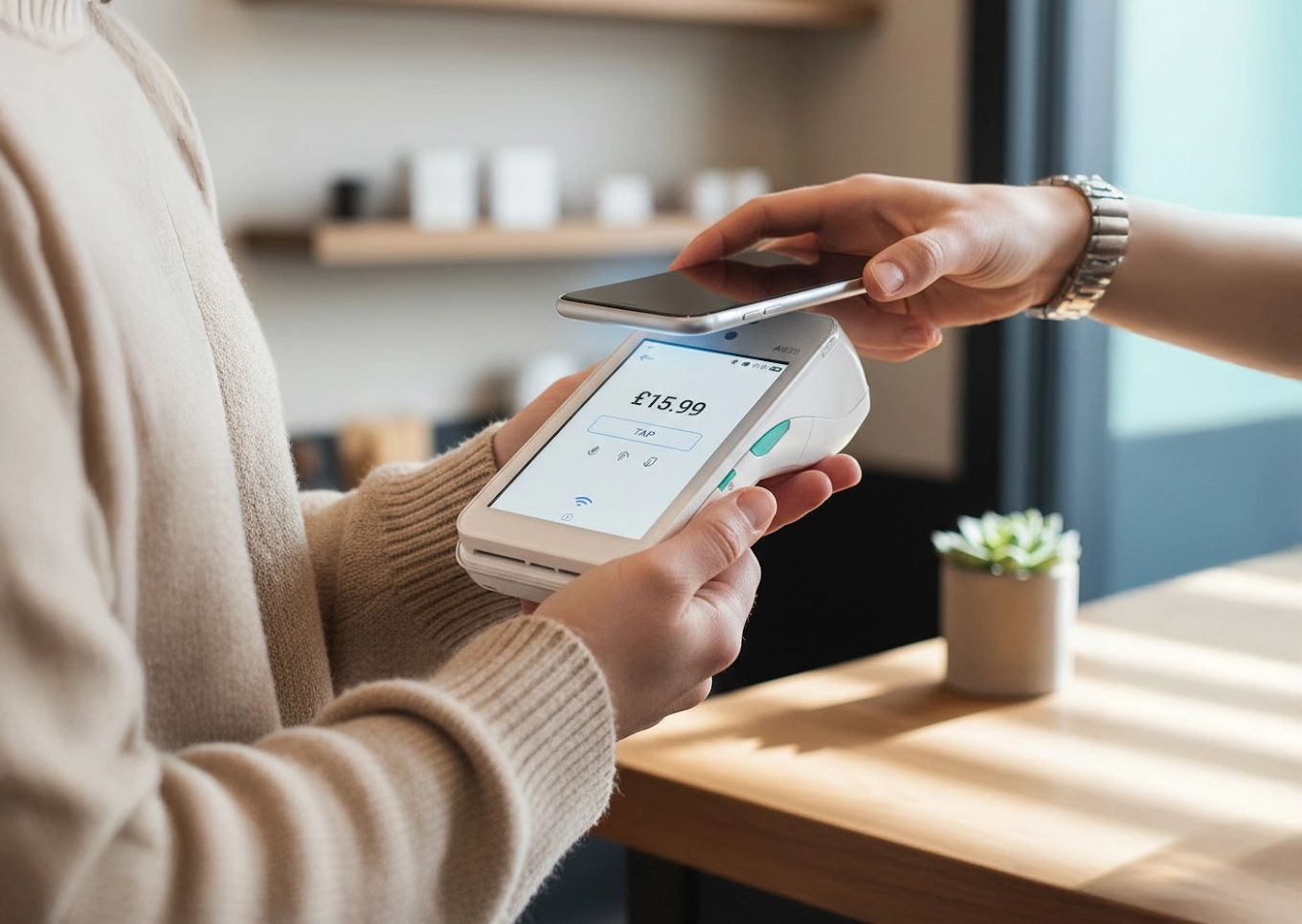
Firstly, the customer initiates the payment by tapping or inserting the credit card, debit card or mobile wallet such as Apple Pay and Google Pay.
Then the LoPay card machine captures the information, encrypts it for security and sends it to the customer’s bank for authorisation. The bank will then assess the request and either authorise or reject the payment. If approved, the transaction is completed and recorded for settlement.
Once accepted, the funds are scheduled for payout.
Please select the industry that you trade within. This information allows us to tailor your quote.
| Account Type | Standard card transaction fee* | Notes |
|---|---|---|
| Essentials Account | 0.79% per transaction | Card-present payments |
| Standard Account | 0.99% per transaction | Card-present payments |
| Instant-to-Bank Account | 1.79% per transaction | Card-present payments |
*Standard cards refer to personal UK Visa and Mastercard payments.
Some payment types are priced differently from standard card-present transactions. These include premium cards (such as American Express, international, or corporate cards) and certain payment methods such as Tap to Pay, payment links (like Xero payment links), or mail order and telephone order (MOTO) payments. These transactions typically incur an additional per-transaction fee on top of the standard rate.
LoPay offers a range of payout scheudles including instant, next-day or weekly (paid every Thursday), depending on plan. Scheduled payouts, such as standard bank transfers, may be available at no additional cost, while faster or unscheduled payouts can involve an extra per-transaction fee.
Businesses may also have to pay for related hardware costs, including card reader purchases, business terminal rental, or purchase options. Extra administrative fees, such as chargeback handling, may also apply.
LoPay fees, payout terms, and hardware costs can change over time. Current pricing and contract details are kept up to date directly on the LoPay website.
LoPay uses a flat-rate pricing structure and card-present hardware for in-person payments. Flat-rate pricing is often considered by smaller operations, including SMEs and sole traders with lower payment volumes.
This structure is commonly evaluated by businesses with limited staff, seasonal operations, side businesses, or those requiring portable card machines. As transaction volumes increase, pricing structures and payment models can behave differently depending on operational scale.
Because LoPay operates a transaction-based, flat-rate model, costs remain simple and predictable at a lower transaction volume. As this volume increases, the impact of per-transaction fees can become a more significant factor within this pricing structure.
Simplified hardware is used, allowing for straightforward onboarding and usage. This does generally mean that there are fewer features, which can differ from more advanced payment systems in terms of feature depth, integrations, and reporting.
Hardware scope and setup flexibility can also vary. Card-present payment hardware designed for portable or single-location use may behave differently in environments with multiple locations or more complex payment flows.
Not all payment types behave the same. LoPay has different pricing for varying payment types. For example, MOTO, premium cards and online payment link fees may differ from standard cards, which can impact overall monthly costs.
LoPay sits within the category of transaction-based, flat-rate pricing. This is in contrast to other UK providers, which may instead offer bundled or packaged card machine services. Pricing is based on per-transaction charges, rather than fixed monthly fees, with payment processing priced separately from bundled service contracts.
Payment acceptance is primarily focused on in-person, card-present transactions. Payments can be accepted through phone-based acceptance, portable card readers, or fixed terminals. This follows a standard approach to in-person card acceptance within the UK market.
This type of setup is commonly evaluated by smaller UK businesses or those with lower or variable transaction volumes, where businesses may not require highly customised payment options. For those with more complex operational structures or higher processing volumes, this model may require reassessment.
While some of LoPay’s payment services can be accessed without any long-term contractual obligations, some hardware can involve upfront purchases or fixed-term agreements, depending on the type of terminal selected. This tiered approach is common within the UK card machine market.
Total card payment costs do not start and end with headline fees. Depending on the provider, additional fees may include fixed monthly charges, platform fees, card-type surcharges, hardware costs, and extra service fees. The combination of these determines the overall cost of accepting card payments over a typical billing period.
Pricing structures can behave differently depending on monthly card turnover. Some models are more commonly used by businesses with lower or variable transaction volumes, while others are designed for higher or more predictable processing levels.
Contract terms vary across different UK payment providers. These may involve fixed-term commitments, rolling agreements, or flexible service access. To terminate a contract early, an exit fee may have to be paid, which will impact the overall cost of the deal.
Payout timing can vary based on processing schedules, cut-off times, weekends, and bank holidays. Some providers offer faster settlement options, while others operate within defined payout windows. Settlement timing can affect when funds become available following a completed transaction.
Customer support and account management structures differ between providers. This can include variations in onboarding assistance, hours of availability, available support channels, response times, service-level commitments, and handling of outages or technical issues.
Payment reliability depends on connectivity requirements. Providers may support Wi-Fi, mobile data, or wired connections, and approaches to handling transactions during connectivity interruptions can vary. Connectivity options are influenced by how and where payments are accepted.
A LoPay card machine is a payment device or setup that allows UK businesses to accept in-person card payments. It works with the LoPay platform to process card-present transactions, including contactless and chip and PIN payments, using physical card readers or phone-based acceptance methods.Â

What Is a Dojo Card Machine? A Dojo card machine is a payment terminal supplied as
What Are Stripe Payments? Stripe Payments is a payment processing service provided by Stripe that allows
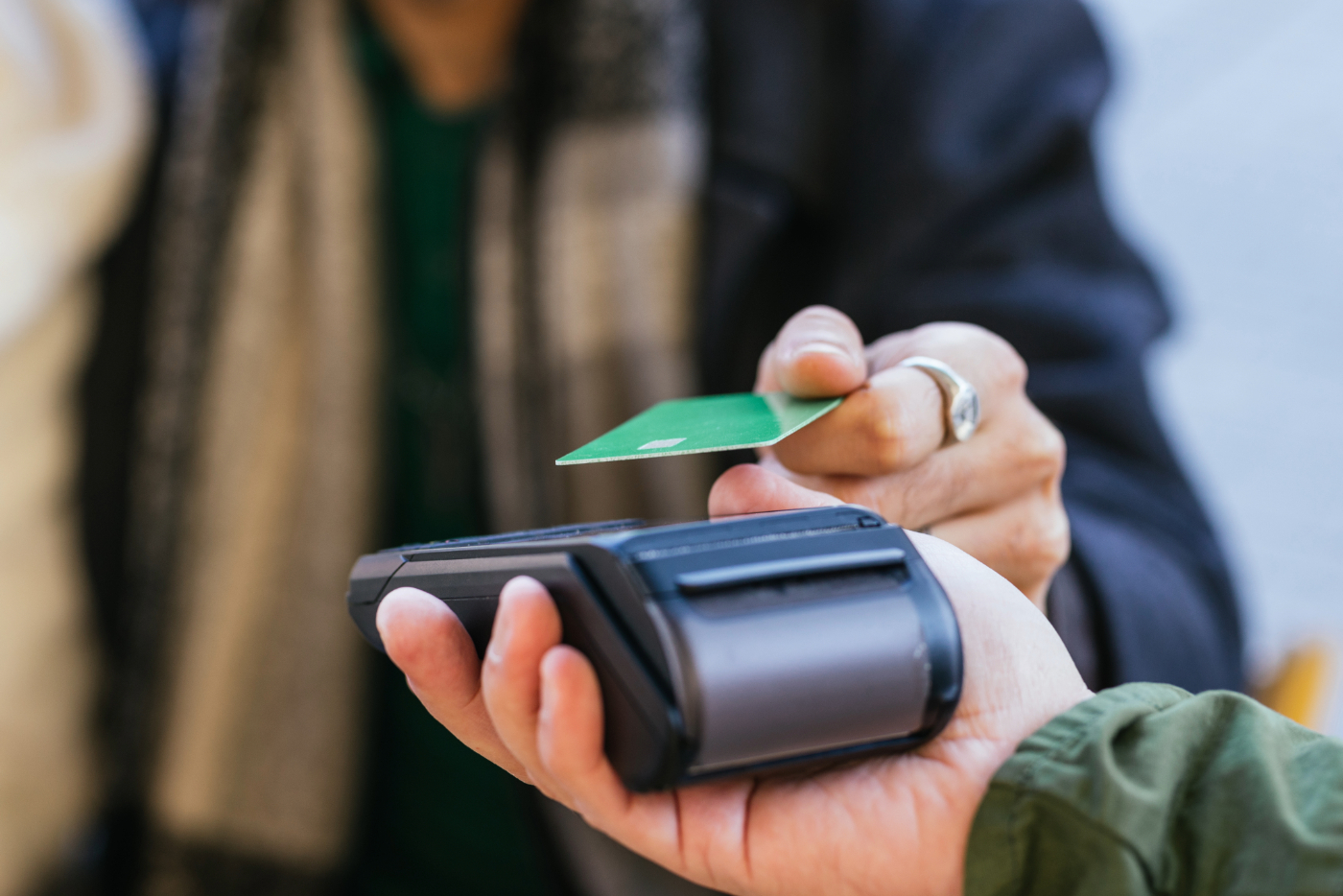
Your business needs a card machine that’s suited to you and your customers: here’s our breakdown

CommercialExperts.com helps savvy UK businesses to save time and money by comparing a wide range of essential products and services.
© TFLI 2025 All rights reserved. Licenced by the Information Commissioners Office, (Registration Number Z3585914) Registered in the UK, number 08424810. Registered Office Address: First Floor, Beechwood Court, Springwood Way, Tytherington Business Park, Macclesfield, Cheshire. SK10 2XG.